Expert Tips to building a strong personal injury case
What to Know When Partnering With a Personal Injury Attorney: a Detailed Guide
Working through the aftermath of an accident can be burdensome. Understanding the role of a personal injury attorney is vital for anyone seeking justice and compensation. From the preliminary meeting to the ultimate phases of closing a case, assorted stages are involved. Each phase requires scrupulous attention and clear communication. As the process unfolds, individuals may find themselves speculating about the nuances of each step and how best to prime themselves for the journey ahead.
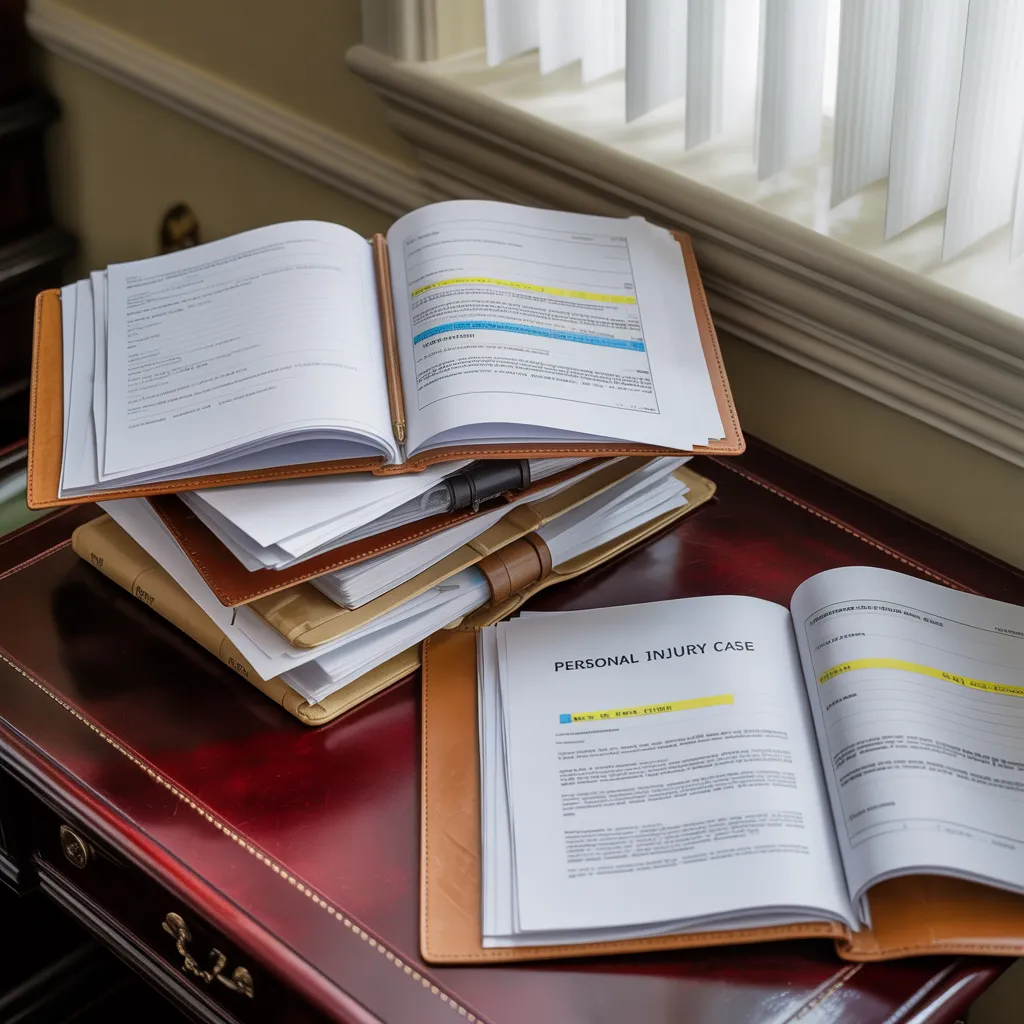
Know Your Entitlements Following an Accident
What procedures should one implement after undergoing an accident? First, it is essential to guarantee safety by moving to a protected location and requesting medical assistance if necessary. Recording the scene is critical; taking photographs and assembling witness data can deliver useful evidence later. Next, comprehending one's rights is critical. Individuals should be conscious that they could qualify to compensation for medical outlays, salary loss, and distress and anguish. Reporting the accident to the appropriate authorities and insurance companies is also imperative, as failure to do so could affect potential claims. Speaking to a personal injury attorney can facilitate clarify legal rights and obligations. They can mentor individuals through the complexities of personal injury law, ensuring that all relevant details are addressed. This forward-thinking approach can enable accident victims, fostering a better understanding of their rights and the potential avenues for recovery.
What to Expect in Your Initial Meeting?
Upon understanding one's rights and taking initial steps following an accident, the next important step is the introductory meeting with a personal injury lawyer. During this meeting, the attorney will often analyze the circumstances of the case, seeking detailed information about the incident, physical harm suffered, and any medical treatment received. This is also an opportunity for the client to furnish relevant paperwork, such as police reports or medical records.
The attorney will outline the legal process, possible results, and any relevant deadlines. People seeking legal help can expect a honest assessment of their case, including the strengths and weaknesses. Importantly, this consultation is usually complimentary, allowing people to gauge the attorney's knowledge and fit without financial pressure. The attorney may also discuss their fee structure, often based on a contingency model, guaranteeing clients comprehend the financial implications of pursuing a case. In summary, this initial meeting sets the foundation for the court process ahead.
How Your Injury Legal Representative Investigates Your Case
An injury lawyer meticulously examines each case to build a solid base for the client's claim. This investigation often begins with collecting necessary records, including medical records, police reports, and accident photographs. The attorney may converse with witnesses to secure firsthand accounts, guaranteeing that all perspectives are reviewed.
Additionally, the attorney will examine the circumstances surrounding the incident, looking for evidence of negligence or misconduct. This might involve working with specialists, such as accident reconstruction specialists or medical professionals, to strengthen the case. They also assess potential compensation by evaluating medical expenses, lost wages, and emotional suffering, providing a comprehensive understanding of the client's situation.
Throughout this undertaking, keeping open communication with the client is essential, as it permits the attorney to manage potential problems and alter the investigation strategy as needed. Ultimately, meticulous preparation equips the attorney to champion their client's interests on behalf of their client.
The Steps Involved in Arranging a Settlement
A settlement discussion represents a vital element of personal injury litigation. The method typically commences with an initial settlement proposal letter, then by a range of alternative offers and strategic discussion approaches. Ultimately, the purpose is to establish the terms conditions that meet the needs of all parties engaged.
First Settlement Demand Letter
Formulating the starting first compensation demand marks a critical step in the negotiation journey for injury claims. This letter acts as a formal request for financial recovery, documenting the injured party's suffering and outlining the context of the incident. It typically includes a recap of hospital costs, lost wages, and other relevant costs, as well as the emotional and psychological burden of the injury. The attorney will meticulously document evidence to support the claim, warranting distinctness and persuasiveness. The claim letter is forwarded to the opposing party or their insurance copyright, opening negotiations about indemnification. A skillfully prepared letter can influence the atmosphere for negotiations, establishing a framework for the settlement process that follow.
Counteroffers and Haggling Strategies
direct communication is essential, as it encourages a positive environment
Finalizing the Contract Conditions
Completing the agreement terms in a personal injury settlement is a critical undertaking that can greatly shape the conclusion for the injured party. Once both parties establish a preliminary understanding, the attorney will formulate a settlement document specifying the terms, including financial sums and payment timelines. It is important for the injured party to examine this document thoroughly, ensuring all aspects of the agreement are correctly stated. The attorney will then arrange any ultimate refinements, if necessary. After both parties sign the settlement agreement, the attorney will manage the payment process. This stage is vital, as it secures the settlement of the case and avoids further legal actions pertaining to the incident. Transparent communication and understanding are essential to a favorable outcome.
What You Should Know About Getting Prepared for Trial?
Making ready for trial demands meticulous attention to detail and a definite comprehension of the legal process. Personal injury attorneys stress the importance of gathering evidence, including medical records, witness statements, and accident reports. This voluminous gathering forms the basis of the case, supplying requisite reinforcement during trial proceedings.
Clients should also get ready for the need for pre-trial meetings where approaches are discussed, and roles are set. It is essential for clients to comprehend court protocols and decorum, which can substantially impact their performance. Attorneys may conduct simulated trials to ready clients for cross-examination and to enhance their testimonies.
Furthermore, it is vital for clients to keep lines of communication open with their attorney, addressing any concerns or questions promptly. This proactive approach fosters a robust legal partnership, ultimately improving the likelihood of a positive result. Comprehensive preparation helps clients feel more confident and informed as they approach their trial date.
Final Stages: Closing Your Case and Progressing Ahead
When a personal injury case draws near its finale, several critical steps need to be taken to assure a positive resolution. This includes navigating the settlement negotiation process, finalizing essential legal files, and investigating post-case support options. Understanding these elements is vital for clients aiming to finish this section and advance with their lives.
Deal Negotiation Process
Negotiating a resolution marks a key moment in the personal injury claim process. During this stage, the lawyer and the opposing party engage in discussions to reach a jointly acceptable compensation amount. This process often begins with the lawyer presenting a demand letter that outlines the client's injuries, damages, and the rationale for the requested compensation. The opposing party may respond with a counteroffer, prompting further negotiations. It is essential for the lawyer to advocate vigorously, balancing the client’s needs with realistic expectations. Factors such as medical expenses, lost wages, and emotional distress are considered. Ultimately, successful negotiations can lead to a fair settlement, allowing the client to move forward without the need for lengthy litigation.
Wrapping Up Legal Records
Wrapping up how a personal injury lawyer can help legal paperwork is a vital part of the personal injury claim process, indicating the changeover from mediation to resolution. Once a settlement is reached, the attorney prepares necessary documentation, including release forms and settlement agreements. These papers specify the terms of the deal, making sure both parties comprehend their duties and rights. Typically, the client must examine and sign these documents, validating acceptance of the settlement. After the client signs, the attorney often submits the documents to the insurance company for processing. During this step, it often involves confirming all medical expenses and other claims are appropriately settled. Once complete, the case is officially closed, letting the client advance with their life, supported by the resources required for recovery.
Post-Case Aid Solutions
Once the court cases are finished and a settlement is agreed upon, clients may still face challenges as they return to daily life. Personal injury attorneys often provide post-case support resources to assist clients in this adjustment. This may include referrals to medical professionals for ongoing treatment or therapy, ensuring that clients have access to necessary resources for recovery. Additionally, attorneys may offer guidance on managing settlement funds, including budgeting and investment advice. Some firms also provide access to support groups or counseling services to help clients cope with emotional aftermath. By facilitating these connections, attorneys aim to empower clients, promoting a more seamless reintegration into their daily routines and fostering long-term well-being.
Commonly Asked Questions
What Is the Typical Price of Engaging a Injury Lawyer?
Obtaining a personal injury attorney generally involves a fee that depends on the result ranging from 25% to 40% of the settlement money awarded. Clients commonly pay no payment initially, with charges taken only upon achieving a successful result in their case.
What if My Dispute Doesn't Get to Trial?
If a case doesn't proceed to trial, the personal injury attorney usually negotiates a settlement with the opposing party. This process is designed to secure compensation for the client without the need for court proceedings.
Can I Replace My Lawyer if I'm Unhappy?
Yes, a individual can change legal representatives if unhappy. However, they should check their agreement for any obligations and make sure the new legal representative is briefed about the case for a seamless transition in legal counsel.
How much time Will My Case Take to Resolve?
The duration of a personal injury case can differ significantly, often taking anywhere from a few months to several years. Factors influencing this timeline include case complexity, extent of injuries, and negotiation processes.
Am I Obligated to Provide Medical Records?
Yes, individuals typically need to submit medical records. These documents verify injuries, treatment received, and recovery progress, serving a crucial function in building a strong case and securing adequate payment during negotiations or court proceedings.